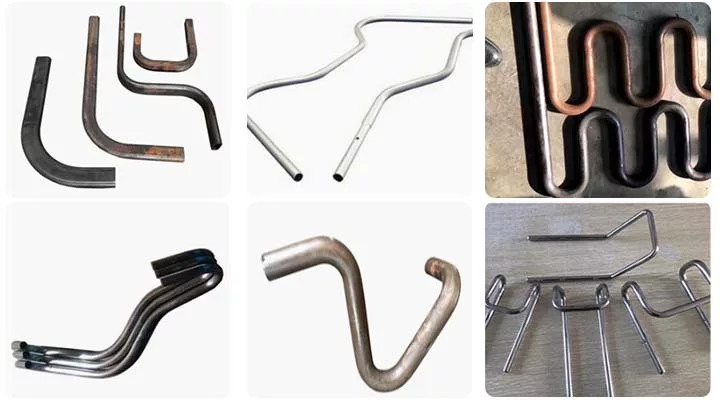
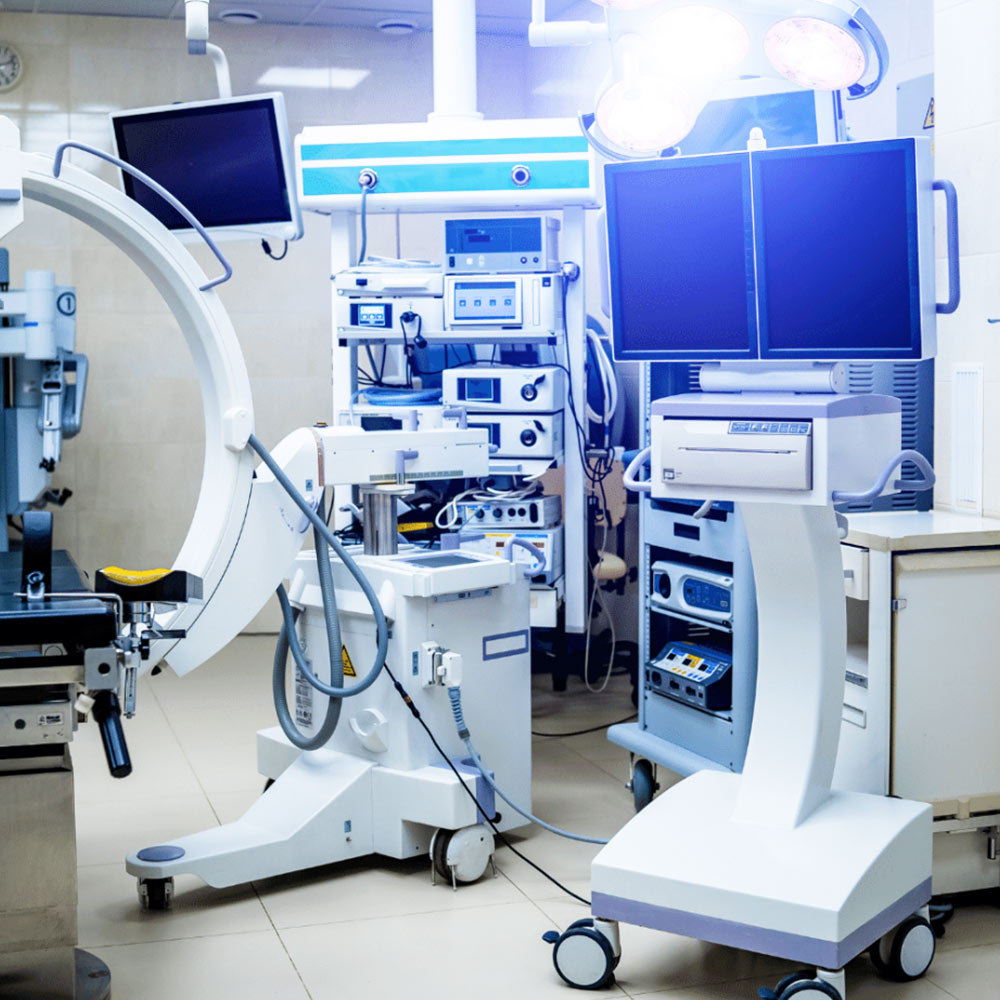
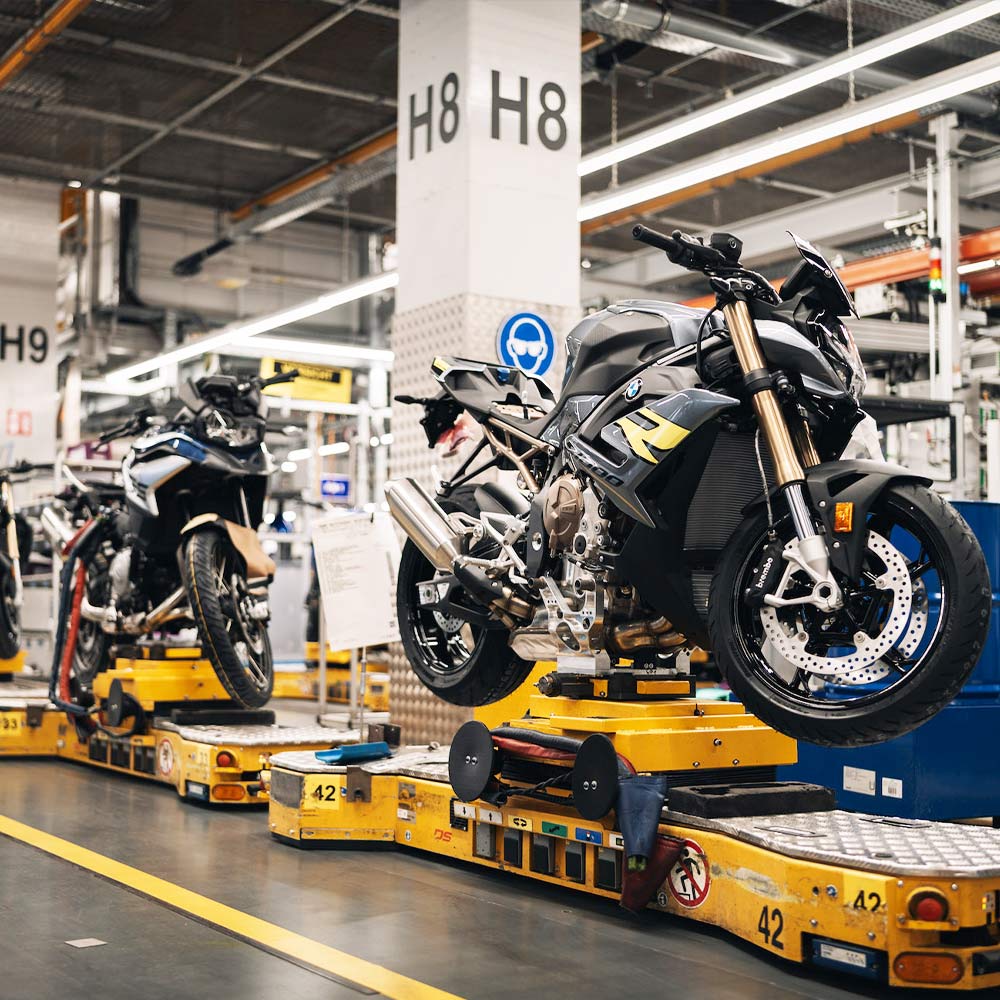
Over the past decade, the tube processing industry has undergone a profound transformation. Traditional workshops once relied heavily on manual adjustment, operator experience, and mechanical control. Today, automation and digital technology are redefining how tubes are cut, bent, formed, and assembled.
Rising labor costs, increasing product complexity, and stricter quality standards are accelerating this shift. Manufacturers are no longer focused solely on production speed; they require precision, consistency, traceability, and flexibility. Automation provides the foundation to meet these evolving expectations.